The Australian Civic Pulse

Independent magazine · Facebook community

The Australian Civic Pulse

An independent editorial publication connected with the The Australian Civic Pulse Facebook community.

Read the magazine
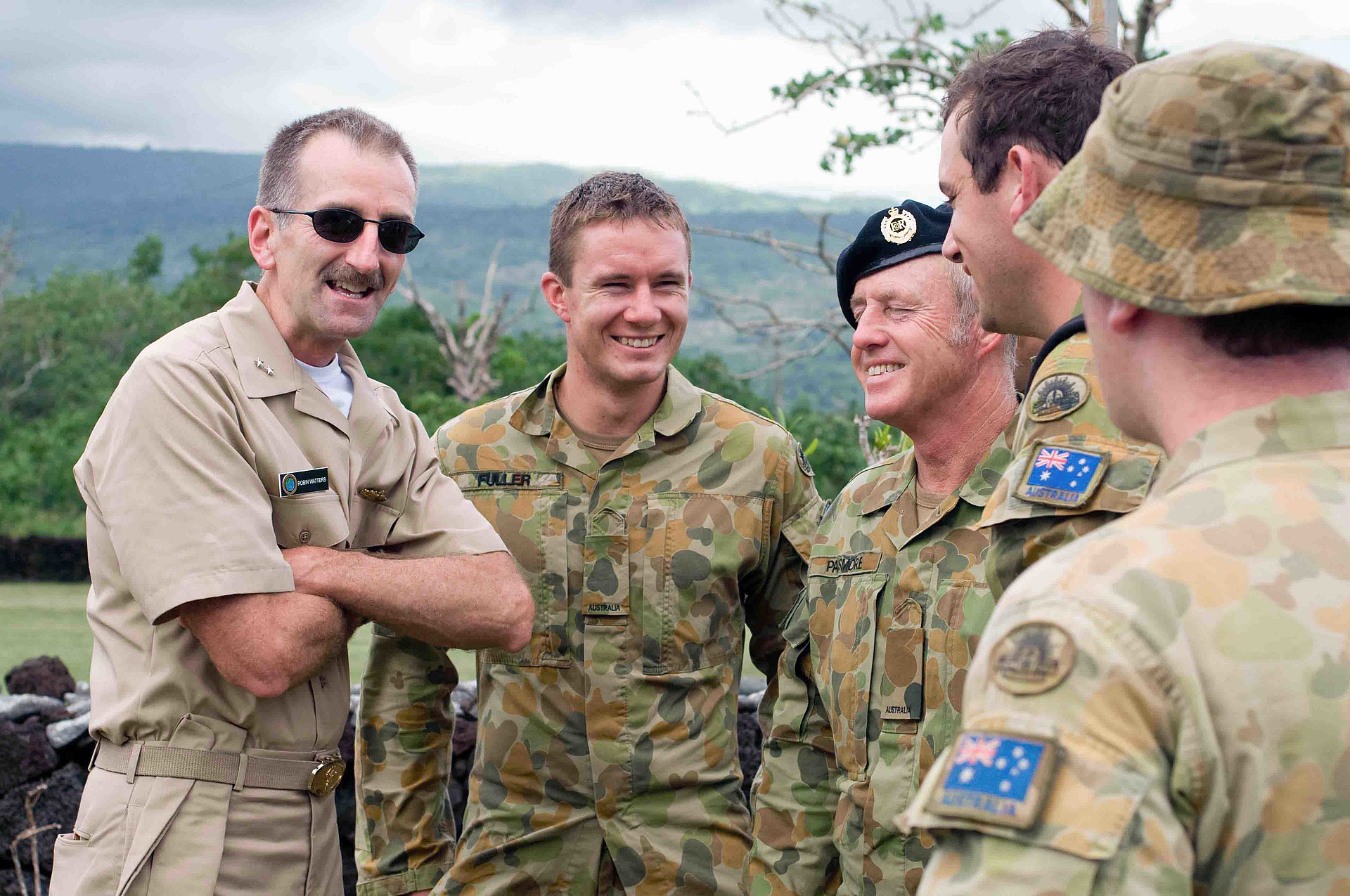
SAVAI, Samoa (July 3, 2009) Reserve Deputy and Chief of Staff, U.S. Pacific Fleet, Rear Adm. Robin M. Watters greets an Australian Army engineering contingent. The Australian engineers will meet up with the Seabees of Amphibious Construction Battalion (ACB) 1 and Naval Mobile Construction Battalion (NMCB) 1 who are currently renovating the assembly hall at the Sasina Primary School during a Engineering Civic Action Project (ENCAP) held during Pacific Partnership 2009. The Sasina Primary School provides education for children first through eighth grade and acts as a community meeting hall when school is not in session. The U.S. Navy's Pacific Partnership is the dedicated humanitarian and civil assistance mission conducted by, with and through partner nations, non-governmental organizations and other U.S. and international government agencies to execute a variety of humanitarian civic action missions in the Pacific Fleet area of responsibility. This year Pacific Partnership will travel to Oceania, including Kiribati, Republic of the Marshall Islands, Samoa, Solomon Islands and Tonga. (U.S. Navy photo by Mass Communication Specialist 2nd Class Joshua Valcarcel/Released)

Facebook community

Join the The Australian Civic Pulse community.

Follow the Page and take part ↗

Current edition

Ideas, people and practical ways forward.

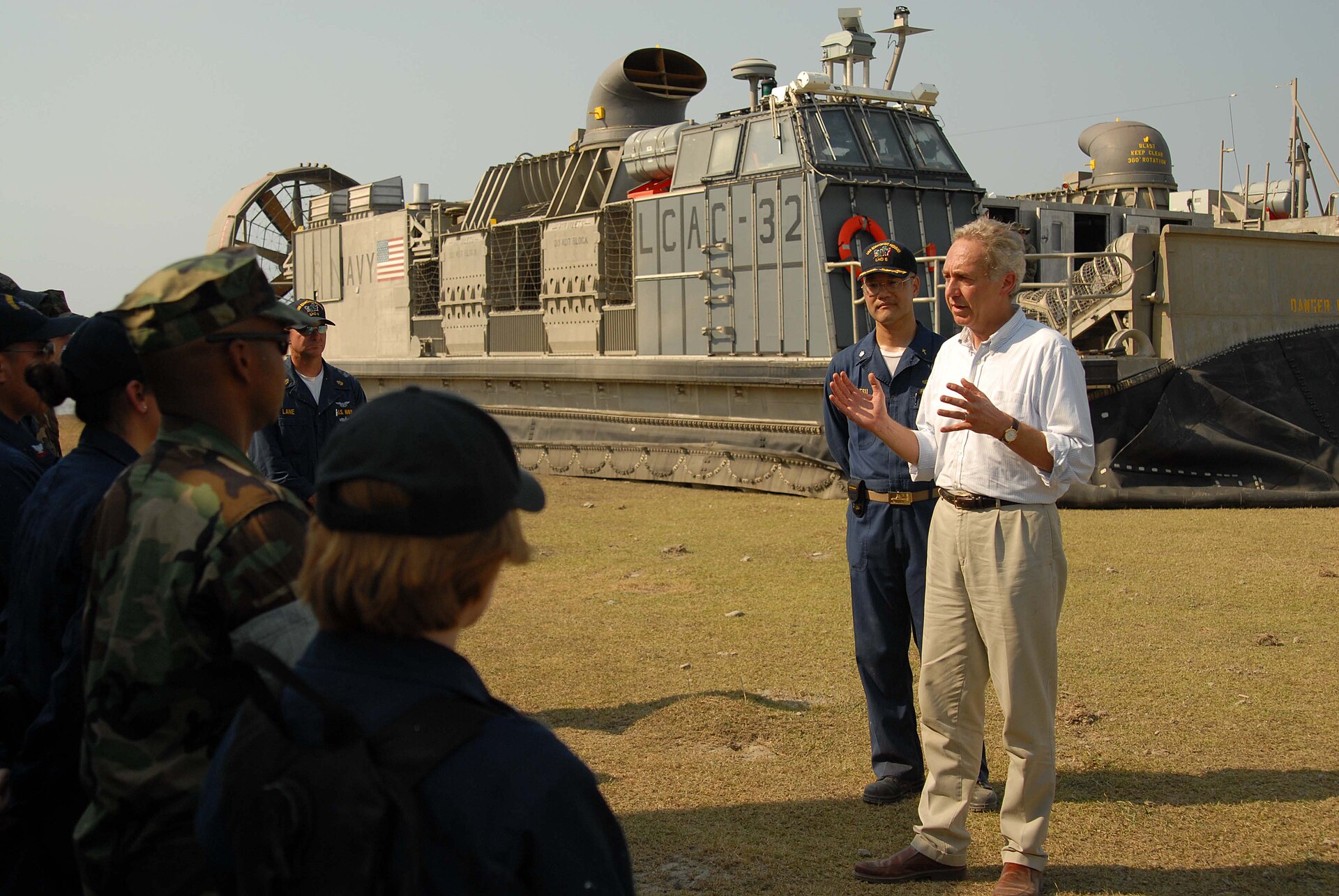
MANATUTO, Timor-Leste (Oct. 19, 2009) U.S. Ambassador Hans Klemm addresses Sailors and Marines assigned to the Bonhomme Richard Amphibious Ready Group and the 11th Marine Expeditionary Unit who participate in a community relations program at a school in Manatuto in support of Marine Exercise (MAREX) 2009. MAREX 2009 is a multilateral exercise that promotes cooperation through civic action programs and training with the Timor-Leste and Australian militaries. (U.S. Navy photo by Mass Communication Specialist 1st Class Joseph Seavey/Released)

Feature 01

Origins and context

An independent editorial publication connected with the The Australian Civic Pulse Facebook community. This feature looks beyond the headline and asks what the idea means in lived experience.
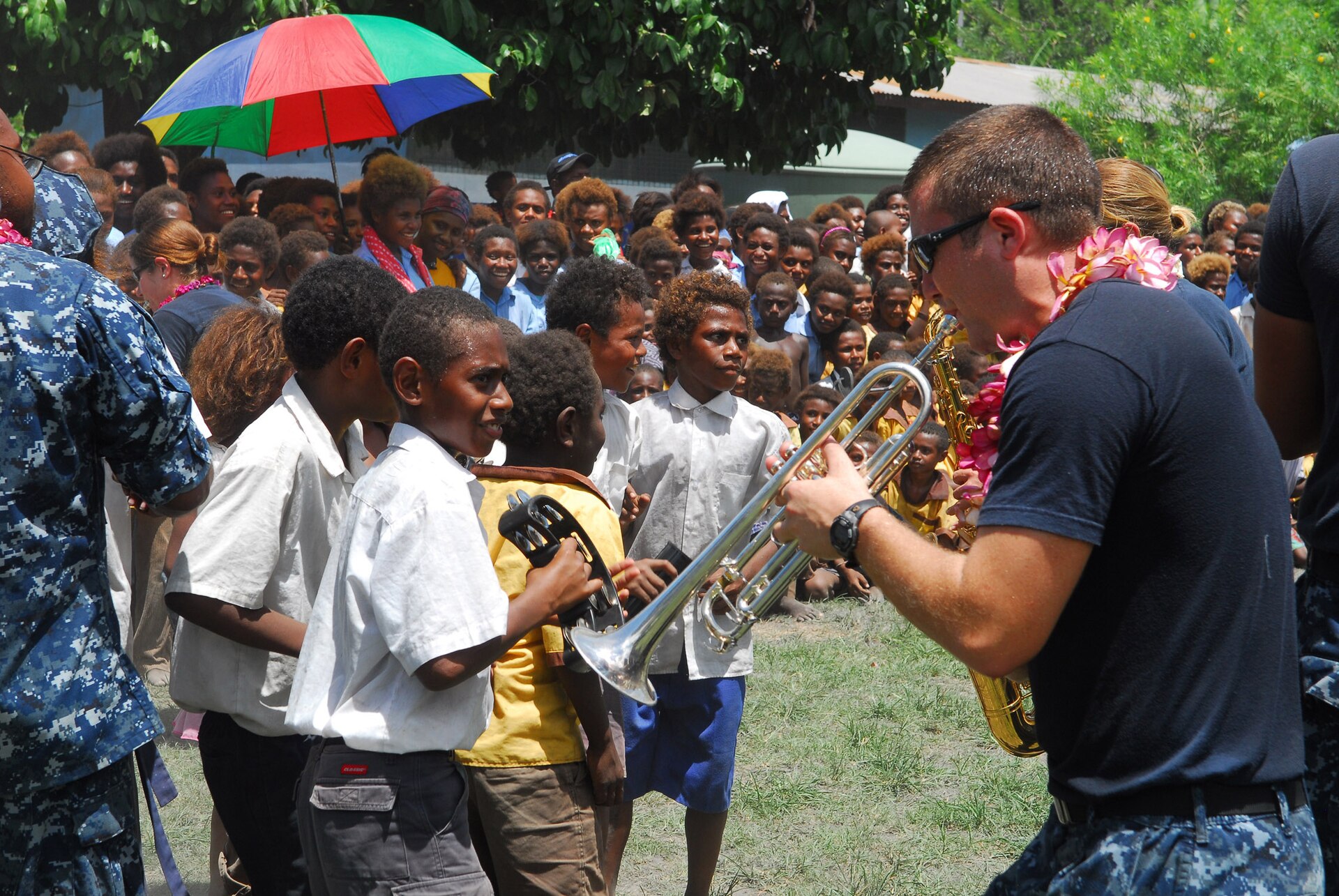
RABAUL, Papua New Guinea (Sept. 7, 2010) Musician 3rd Class Anton DuPreez, assigned to the U.S. Pacific Fleet Band, embarked aboard the Royal Australian Navy landing ship heavy HMAS Tobruk (L50), performs at the Malaguna Primary School during a Pacific Partnership 2010 community service event. A contingent of 64 Sailors and non-governmental organization members assigned to the Military Sealift Command hospital ship USNS Mercy (T-AH 19) are embarked aboard Tobruk conducting the final leg of Pacific Partnership 2010. Pacific Partnership is the fifth in a series of annual U.S. Pacific Fleet humanitarian and civic assistance endeavors aimed to strengthen regional partnerships. (U.S. Navy photo by Mass Communication Specialist 2nd Class Eddie Harrison/Released)

Feature 02

People and perspectives

An independent editorial publication connected with the The Australian Civic Pulse Facebook community. This feature looks beyond the headline and asks what the idea means in lived experience.
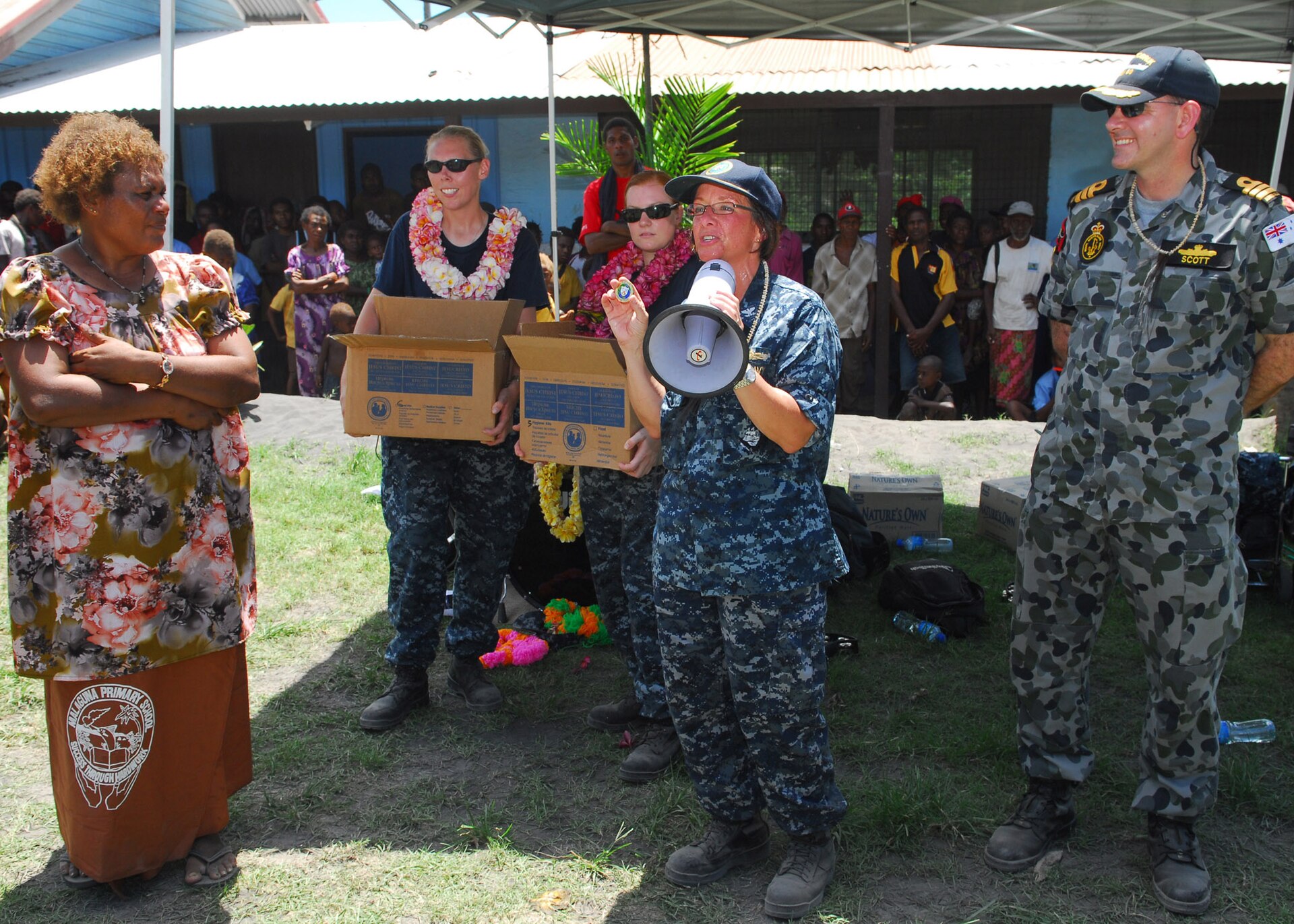
RABAUL, Papua New Guinea (Sept. 7, 2010) Capt. Lisa M. Franchetti, commander of Pacific Partnership 2010, embarked aboard the Royal Australian Navy landing ship heavy HMAS Tobruk (L50), presents a command coin to Jacobeth Bakut, head teacher of Malaguna Primary School, during a community service event. A contingent of 64 Sailors and non-governmental organization members assigned to the Military Sealift Command hospital ship USNS Mercy (T-AH 19) are embarked aboard Tobruk conducting the final leg of Pacific Partnership 2010. Pacific Partnership is the fifth in a series of annual U.S. Pacific Fleet humanitarian and civic assistance endeavors aimed to strengthen regional partnerships. (U.S. Navy photo by Mass Communication Specialist 2nd Class Eddie Harrison/Released)

Feature 03

Practical action

An independent editorial publication connected with the The Australian Civic Pulse Facebook community. This feature looks beyond the headline and asks what the idea means in lived experience.
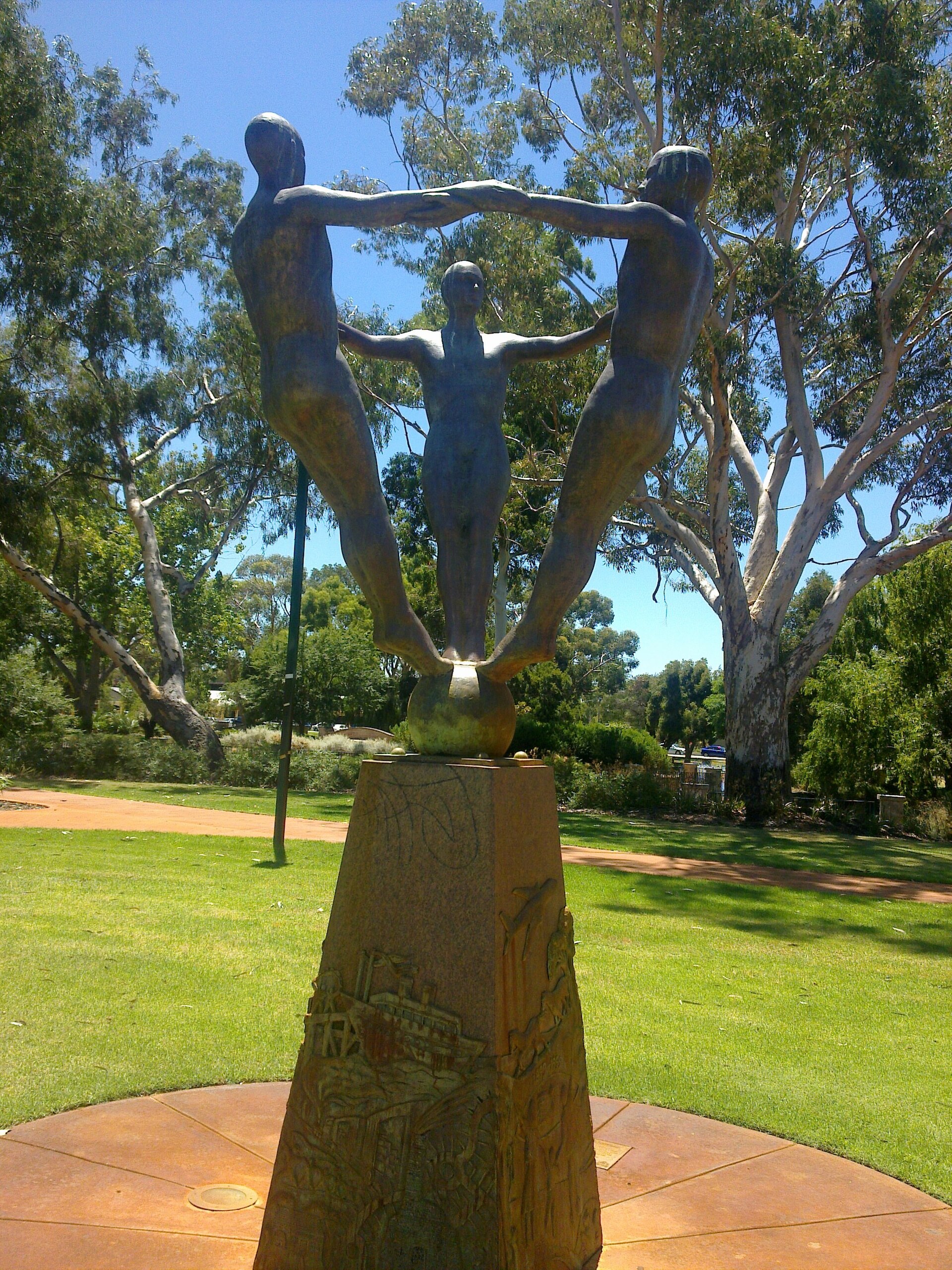
Public Art - "Spirit of the Community", Belmont Civic Centre, Western Australia. By Andrew Kay, 1999.

Feature 04

Origins and context

An independent editorial publication connected with the The Australian Civic Pulse Facebook community. This feature looks beyond the headline and asks what the idea means in lived experience.
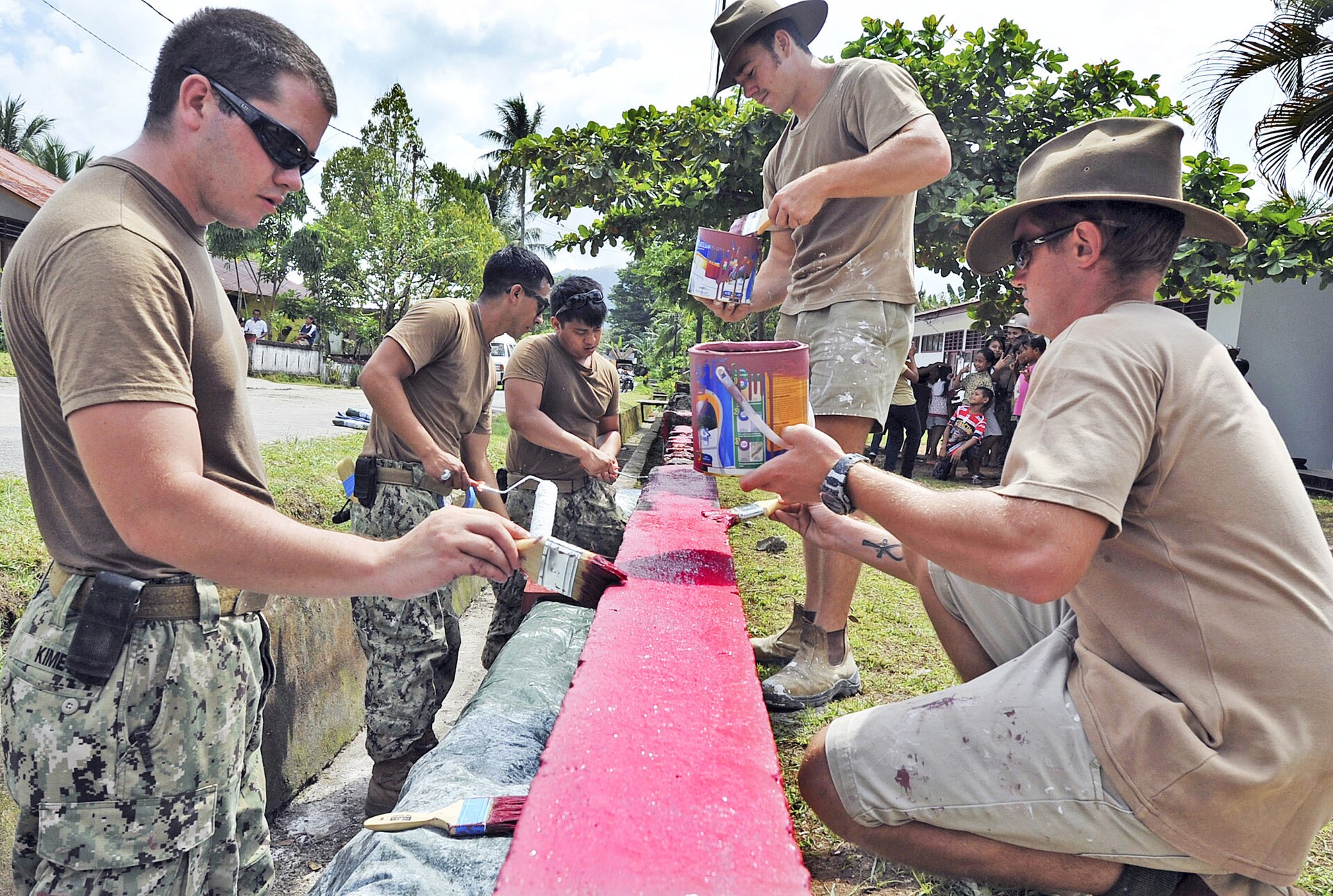
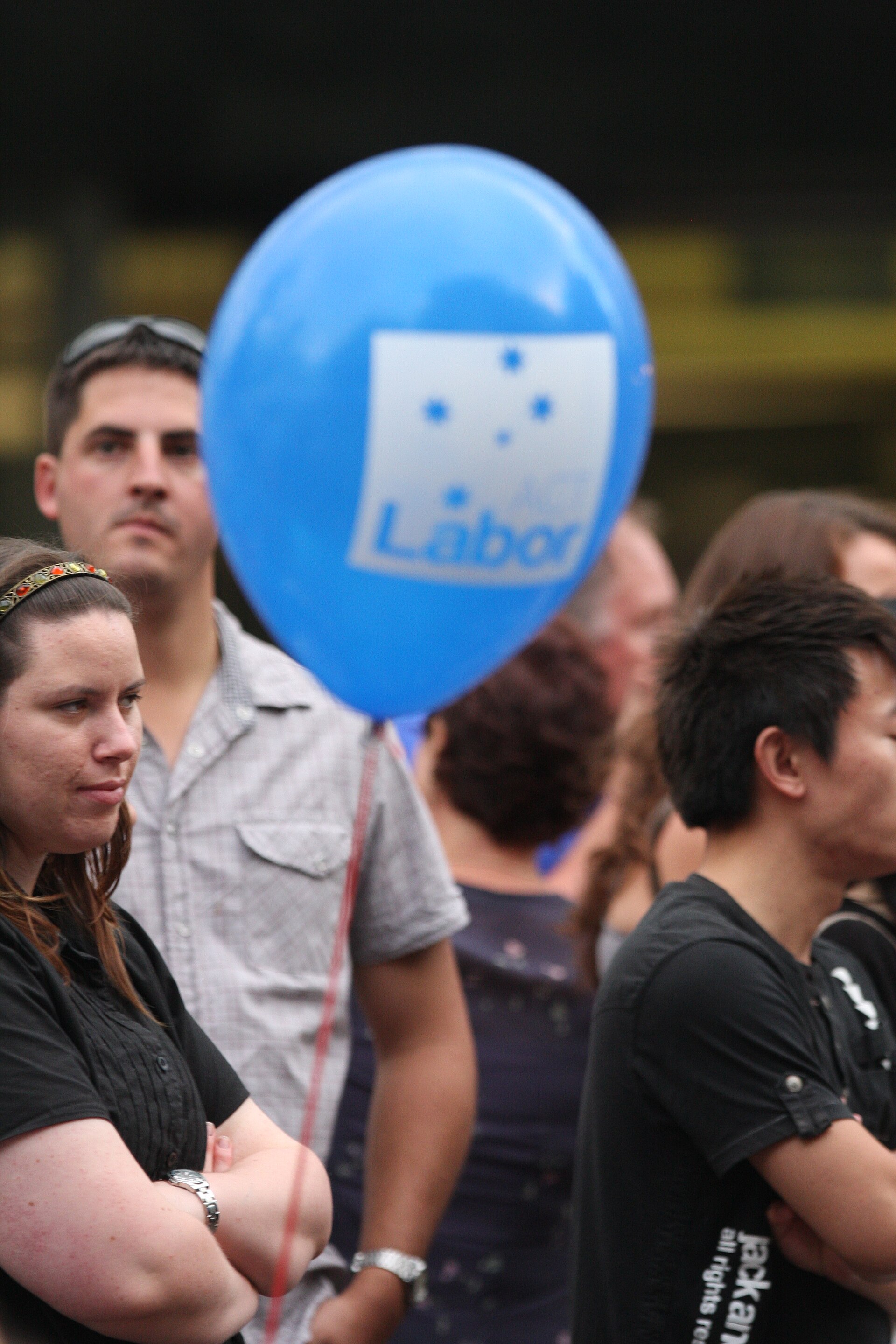
TALAUD, Indonesia (June 9, 2012) A joint engineering civil action program team made up of personnel from Naval Mobile Construction Battalion (NMCB) 40, the Australian 6th Engineer Support Regiment and the Australian 21st Construction Squadron, paint a wall outside the Beo Health Center in Talaud during a Pacific Partnership 2012 community service project. The team includes Construction Mechanic Christopher Kime, left, and Sappers Brent Wetten and Alexander McDowell. Pacific Partnership is an annual U.S. Pacific Fleet humanitarian and civic assistance mission now in its seventh year that brings together U.S. military personnel, host and partner nations, non-government organizations and international agencies to build stronger relationships and develop disaster response capabilities throughout the Asia-Pacific region. (U.S. Navy photo by Mass Communication Specialist 2ND Class Roadell Hickman/Released) 120609-N-7441-001 Join the conversation www.facebook.com/USNavy www.twitter.com/USNavy navylive.dodlive.milNational Multicultu​ral Festival 2012; Festival Opens In Canberra, Australia - 10th February 2012 Today the National Multicultural Festival commenced in the nation's capital Canberra, with live music and fine food playing a significent part in the celebration. More than 200,000 people are going to converge in Canberra's city centre this weekend for the annual celebration of multiculturalism. The 16th festival features a record 350 stalls representing just about every nation on earth. There are four stages and three platforms where much of the live entertainment will take place. Tonight's opening concert starred Australian performing artist Anthony Callea, with Coloured Stone fronted by Bunna Lawrie getting a fantastic reception. Music News Australia had the pleasure to interview Bunna after his performance and he said much of the meaning was about "hope, peace and a coming together of energies". The food and dance spectacular on Saturday and Sunday will include an Indigenous showcase, Carnivale, Turkish bazaar, Greek glendi, Indian display and Chinese New Year celebrations. Festival project manager Jancye Winter advised in excess of 300 groups and 70 diplomatic missions are involved. "When you bring food and dance together, you find all of the community works very hard together. We see this particularly at this time of the year, that all of the community groups are working very cooperatively together," she said. "By going around the stalls you will see the real diversity of all of the cultures here. It's a true celebration of Canberra's diversity." Ms Winter says many of the visitors and entertainers travel from interstate and overseas. "The festival brings in so many visitors and has an impact across not only accommodation but many of the tourist outlets, and indeed the shops in Civic enjoy a boost in retail because we bring people right into the heart of the city centre," she said. Festival ambassador Wolfgang Blass immigrated to Australia from Germany in the 1960s, establishing the well-known Wolf Blass winery in South Australia's Barossa Valley. He says the festival helps bring different sections of the communities together. "We have to live together, we have to learn to live together and this multicultural event is going to bring people together," he said. "Let's hope we all, in a united way, have a good time and enjoy the food that each culture is going to present." Mr Blass says Australia is a lucky country that has come a long way. "We are now a society entering a leisurely lifestyle," he said. "Politically we don't have any big problems. There is no unrest in this country. We have a very strong sporting mind and it is important that we are free and have a strong democracy." Mr Blass also emphasised that it was "time to party", and started that "Canberra really knows how to put on a party". Mr Blass also shared the stage with Joy Burch MLA ACT Minister for Multicultural Affairs. So far the festival looks to have been a wonderful success. Websites Multicultural Festival 2012 www.multiculturalfestival.com.au Australian Capital Territory Government Information Portal www.act.gov.au Australia.com www.australia.com/ Eva Rinaldi Photography Flickr www.flickr.com/evarinaldiphotography Eva Rinaldi Photography www.evarinaldi.com MusicNews Australia www.musicnewsaustralia.com/

From the editor

Depth before speed.

This publication connects the immediacy of a Facebook community with the permanence of a carefully edited website. The aim is to preserve useful context, make room for longer reading and give important ideas a home beyond the social feed.

Images are selected for relevance and dignity. Factual claims should be checked against current primary sources, while community stories remain clearly identified as experience rather than universal proof.